EHS Answers
What does "always on" employee feedback actually mean in practice?
It doesn't mean more requests for people's attention. It means the channel for feedback never closes, so nothing has to wait for a window to open.
No card needed. No setup required. Live in seconds.
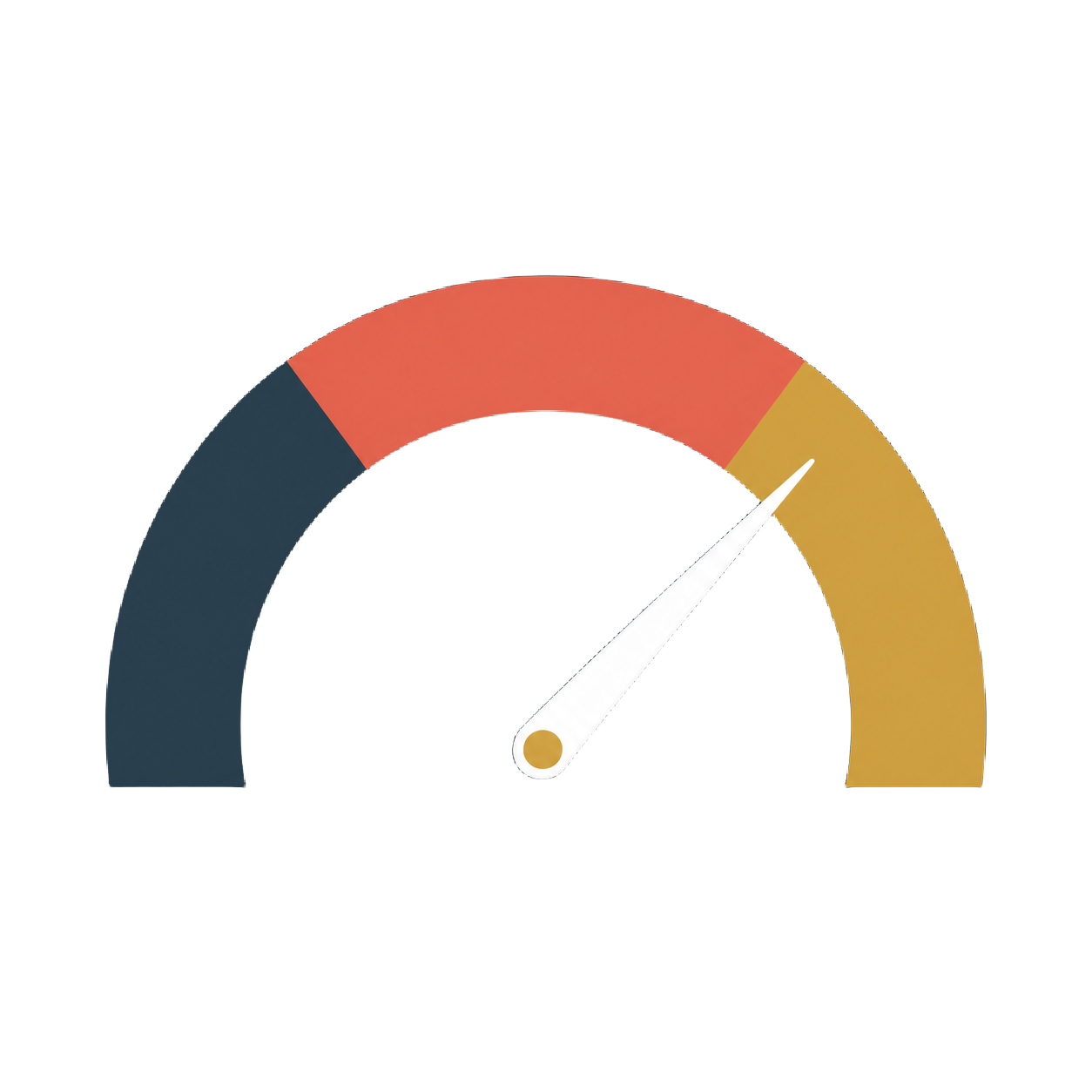
Always-on feedback doesn't mean employees are constantly being asked how they feel. It means the channel for answering is never switched off, so a shift in how people feel can surface the same week it happens, rather than waiting for the next scheduled window. Most feedback tools open for a set period, collect what they can, then close until the next cycle. Anything that happens in between is invisible until the window opens again.
A window that opens and closes, or one that never shuts
The periodic model
Feedback on a schedule
- Collection opens for a set window, then closes
- People can only report something while the window happens to be open
- A problem that starts in week two isn't visible until the next cycle lands
- Leaders find out on a schedule, not when something happens
- By the time it's seen, it may already have caused damage
The always on model
Feedback in real time
- The channel never closes, check-in is always available
- A shift can be flagged the moment it happens, not just when asked
- Something that starts in week two shows up in week two
- Leaders find out when it happens, not on a fixed date
- The problem is visible while it's still small
Why "always on" isn't the same as "constant"
It's a fair worry: "always on" can sound like people being pestered non-stop. In practice, it changes almost nothing about how often anyone is asked to respond. What it removes is the blind period, the stretch of time between one scheduled survey and the next, where anything can happen and nobody finds out until the report lands.
A periodic model is built around the assumption that feelings about work only need checking a few times a year. Always-on is built around the opposite assumption: that things can shift in a week, and the earlier a leader knows, the smaller the problem still is.
How EHS keeps the channel always open
1
No fixed collection window
The check-in is always available, it isn't scheduled to open and close for a survey period.
2
The score updates as answers come in
Nothing is batched and held back for a report. The number reflects what's been said so far, continuously.
3
Leaders see changes as it happens
A shift shows up within days of starting, not months later when the next cycle is due.
Not a Survey. A Speedometer.
Finding out early costs nothing. Finding out late costs everything.